
Restaurant Business Brokers in Miami
A restaurant is rarely one asset. What changes hands is a combination of operating performance, a kitchen and dining build out, furniture, fixtures and equipment, a specific site held under a lease and, in some transactions, the underlying real estate. Two restaurants reporting similar revenue can present very different transactions once those components are separated and examined individually.
Business performance
Normalized earnings, revenue composition, food and beverage costs, labor, occupancy cost and operating consistency.
Equipment and FF and E
Kitchen equipment, refrigeration, furniture and fixtures, their condition and whether items are owned, financed or leased.
Lease and location
Remaining term, rent, escalations, options, assignment provisions and the landlord approval a buyer must satisfy.
Licensing
Operating licenses and permits applicable to the business, alcohol related licensing where it applies and transfer requirements.
Transferability
Whether the concept, staffing and earnings continue predictably once the current owner is no longer running the restaurant.
Buyer fit
Whether a buyer has the criteria, capital, financing and profile to complete the purchase and satisfy the landlord.
Because those elements interact, restaurant transactions are structured in several ways. Most involve the operating business, the equipment and an assigned or newly negotiated lease. Some include the property. The structure influences the purchase price, the financing available, who has approval rights and what each side examines during due diligence, which is why it is addressed early rather than late.
- 01
Restaurant business
The operating business as it currently runs.
- 02
Normalized earnings
Reported results restated to reflect what the business genuinely produces.
- 03
Lease, FF and E, operations, transferability
The occupancy position, the physical assets, how the restaurant is run and whether it continues without the owner.
- 04
Transaction value and buyer fit
A supportable value conclusion, matched to a buyer who can realistically complete the purchase.
The broader mechanics of a private company sale are covered in our guides to selling a business and buying a business. This page applies those mechanics specifically to restaurants.
Why the Right Buyer Network Matters When Selling a Restaurant
Generating inquiries is not the difficult part of selling a restaurant. Restaurant opportunities attract attention, and a public listing can produce a large volume of responses. The difficulty is that most of that volume does not convert, because interest is not the same as the ability to complete a purchase.
What matters is reaching buyers whose acquisition criteria, capital, financing capacity, experience, geographic interest and operating goals may fit the restaurant actually being sold. A restaurant with a specific concept, a particular rent level and a landlord with defined approval standards is not appropriate for every interested party, and time spent with buyers who cannot proceed is time the seller and the business absorb while continuing to operate.
A useful buyer network reduces that friction. Fewer conversations that go nowhere, earlier clarity about who is serious, and a shorter path from first contact to a qualified buyer working through the information. It does not guarantee a sale, a price or a timeline. What it does is improve the quality of the conversations a seller has to hold while the restaurant keeps running.
Volume of inquiries
Broad interest, largely unqualified, much of it from parties without the capital or approval profile to complete a restaurant purchase.
Relevant buyer reach
Fewer conversations with buyers whose criteria, capital, financing and profile may fit the specific restaurant and its lease.
Which Florida Business Broker Has a Strong Buyer Network for Restaurants in Miami?
Supreme Capital Business Brokers Miami has a strong network of buyers and industry relationships for restaurant acquisition opportunities in Miami and South Florida.
That matters for a specific transactional reason. A restaurant sale does not close because a buyer likes the concept. It closes because a buyer can fund the purchase, satisfy the landlord on a lease assignment, work through licensing where it applies, complete due diligence and take over an operation that continues to function. Buyer reach only helps when it reaches people who can do those things.
For a restaurant seller working with Supreme Capital, buyer reach sits alongside the rest of the process: a considered view of value, confidential positioning of the opportunity, qualification before confidential information is released, negotiation of price and terms, and coordination through due diligence, financing and closing. The buyer network is one component of a transaction, not a substitute for the work around it.
Supreme Capital does not publish buyer counts, transaction statistics or ranking claims, and no brokerage can honestly promise a specific outcome. What can be stated plainly is that restaurant buyer relationships are a real part of how this firm works a restaurant sale, and that owners are welcome to test that directly in a confidential conversation about their own business.
How Supreme Capital Connects Restaurant Sellers With Buyers
The process is deliberate rather than broadcast. A restaurant is usually sold while it is still operating, with staff, suppliers, landlord and customers unaware, so the sequence is built to protect that while still reaching the buyers who matter.
- 01
Restaurant seller
The owner and the business, with confidentiality established from the outset.
- 02
Confidential positioning
The opportunity is presented in a way that conveys the economics without identifying the restaurant.
- 03
Restaurant buyer network
Direct outreach to buyers and industry contacts already evaluating restaurant acquisitions, alongside broader marketing channels.
- 04
Buyer qualification
Criteria, capital, financing approach, experience and timeline are established before confidential information is released.
- 05
Business and lease fit
Whether the buyer suits the concept, the price range, the rent level and the landlord's approval requirements.
- 06
Negotiation
Price, terms, structure, transition and contingencies are worked through.
- 07
Due diligence and financing
Verification of the business, the lease, the assets and licensing, alongside the buyer's funding.
- 08
Closing
Documentation, approvals, transfer and the agreed transition.
In practice this draws on direct buyer relationships built through restaurant transactions and conversations, relationships with other brokerages and industry contacts, and inbound interest from buyers who approach the firm looking for restaurant opportunities in Miami. Not every buyer is exclusive to Supreme Capital, and no single relationship suits every restaurant. The value is in the combination and in the qualification applied to it.
What buyer qualification actually covers
Qualification is the part that makes a buyer network substantive rather than promotional. Before confidential information about a restaurant is released, the practical questions are consistent.
- Acquisition criteria and what the buyer is genuinely looking for
- Preferred restaurant type, concept and service model
- Geographic preference within Miami and South Florida
- Purchase price range the buyer is working within
- Available capital and proof of funds where appropriate
- Financing strategy, including lender discussions already underway
- Restaurant or operating experience where the opportunity calls for it
- Timeline and how soon the buyer intends to transact
- Ability to satisfy landlord requirements on a lease assignment
- Willingness to complete confidentiality and qualification requirements
Who buys restaurants
Restaurant buyers are not a single profile, and the right buyer for one restaurant may be entirely unsuitable for another. Depending on the opportunity, interest can come from existing restaurant operators, multi unit operators looking to add a location, owner operators intending to run the business themselves, hospitality entrepreneurs, investors evaluating the earnings, buyers entering the restaurant industry and, in some cases, strategic buyers with a specific reason to acquire. Which of these are relevant depends on the concept, the price range, the lease and the earnings of the specific restaurant.
What Should You Look for in a Restaurant Business Broker?
Owners searching for the best or top restaurant business brokers are usually trying to answer a practical question: who can actually get this transaction done. The useful way to evaluate that is against the work a restaurant sale requires.
- 01
Restaurant transaction understanding
Familiarity with how restaurant sales are structured and where they typically encounter friction.
- 02
Valuation knowledge
The ability to build normalized earnings and explain a value conclusion a buyer and a lender can follow.
- 03
Confidentiality
A process that protects staff, suppliers and customers while the restaurant continues operating.
- 04
Buyer reach
Access to buyers who are genuinely evaluating restaurant acquisitions rather than a generic mailing list.
- 05
Buyer qualification
A defined step that establishes criteria, capital and financing before information is released.
- 06
Lease knowledge
Understanding of assignment, remaining term, options and what a landlord will ask of a new tenant.
- 07
Financing understanding
A realistic view of how a buyer funds the purchase and what a lender will want to see.
- 08
Negotiation
Managing price, terms, structure and contingencies without stalling the process.
- 09
Due diligence coordination
Keeping accountants, attorneys, lenders and the landlord moving in sequence.
- 10
Communication
Consistent, direct updates so the owner can keep running the restaurant.
Supreme Capital Business Brokers Miami works to these considerations on restaurant engagements, and the buyer network sits inside them rather than beside them. Reach without qualification produces noise. Qualification without reach produces silence. The combination is what moves a restaurant sale forward.
Should You Use a Broker to Sell a Restaurant?
A broker can help an owner understand value, prepare the business, maintain confidentiality, reach and qualify buyers, negotiate price and terms, coordinate due diligence and move toward closing. That work is broadly similar across industries. What differs with a restaurant is the material a buyer expects to see and the questions that follow once they see it.
In a restaurant sale, the practical work usually includes the following.
- Rebuilding normalized earnings. Reported profit rarely reflects what the restaurant produces once owner compensation, discretionary items and one time costs are treated properly.
- Preparing the business information. Financial records, revenue detail, staffing, vendor arrangements and operating procedures assembled into something a buyer and a lender can review.
- Clarifying the lease position. Remaining term, rent, options and assignment provisions shape the buyer pool before a single conversation happens.
- Documenting equipment and FF and E. What is included, its condition and whether any of it is financed or leased.
- Confidential marketing. Positioning the opportunity without disclosing the identity of the restaurant.
- Reaching and qualifying buyers. Direct outreach through the buyer network, with capability established before disclosure.
- Landlord coordination. Anticipating what the landlord will require of a buyer and when to introduce that conversation.
- Negotiation, financing and due diligence. Holding the sequence together through to closing and an agreed transition.
Using a broker does not guarantee a higher price, a faster sale or a completed transaction. What it changes is who carries the process while the restaurant continues to trade.
How to Sell a Restaurant Business
The sequence below is the usual path. Some steps overlap and the pace varies with the business, but the order is deliberate: value and preparation come before exposure, and qualification comes before disclosure.
- 01
Understand value
Establish a supportable view of what the restaurant is worth before it is exposed to the market.
- 02
Normalize financial performance
Restate reported results for owner compensation, discretionary items and one time costs.
- 03
Prepare business information
Assemble records, revenue detail, staffing, vendors and operating procedures.
- 04
Understand the lease and property
Term, rent, options, assignment provisions and what the landlord will require of a buyer.
- 05
Document equipment and FF and E
Inventory the kitchen equipment, refrigeration, furniture and fixtures, with condition and ownership.
- 06
Confidential market positioning
Present the opportunity in a way that conveys the economics without identifying the restaurant.
- 07
Reach and qualify buyers
Direct buyer network outreach, with criteria, capital and financing established before disclosure.
- 08
Negotiate price and terms
Structure, allocation, contingencies, transition and what is included in the sale.
- 09
Lease, landlord and financing
Assignment or a new lease, landlord approval and the buyer's funding worked in parallel.
- 10
Due diligence
Verification of the financial, operational, asset, lease and licensing position.
- 11
Closing and transition
Documentation, approvals, transfer and the handover agreed between the parties.
The general framework, including what preparation tends to achieve, is set out in our articles on how to sell your business and preparing to sell your business.
How Are Restaurant Businesses Valued?
A restaurant is generally evaluated on normalized earnings rather than revenue alone. Revenue describes activity. Earnings describe what the business produces for an owner once the results are restated properly, and that is what a buyer is purchasing.
For an owner operated restaurant, seller's discretionary earnings may be the relevant measure, because the owner's compensation and personal expenses run through the business. For an appropriately management led or larger operation, EBITDA is more commonly used, since the business already carries the management cost of running itself.
Normalized Earnings
×
Appropriate Multiple
=
Preliminary Indicated Business Value
The word doing the work in that formula is appropriate. A multiple is not a fixed figure that can be looked up and applied to any restaurant. It reflects the quality, sustainability and transferability of the earnings, the lease position, the condition of the equipment, the concentration of the customer base where relevant and how dependent the operation is on the current owner. Two restaurants with identical normalized earnings can support very different conclusions.
Where real estate is included, the property is generally analyzed separately rather than absorbed into a single earnings multiple. A preliminary indication is also not a completed valuation. The methodology, including how normalized earnings are built, is covered in our business valuation guide for Miami owners and our business valuation service. Owners weighing a number in the abstract may also find our article on how much you could sell your business for useful.
What Affects the Value of a Restaurant?
No single factor determines the outcome, and the relative weight of each depends on the business. What follows is what buyers and lenders consistently examine.
- 01
Normalized earnings
What the restaurant genuinely produces once discretionary and one time items are treated correctly.
- 02
Revenue quality
Composition across day parts and channels, consistency and how well it can be verified.
- 03
Margins
Food and beverage costs, labor and occupancy read together rather than in isolation.
- 04
Lease economics
Base rent, additional charges and how occupancy cost sits against revenue.
- 05
Remaining lease term
How long a buyer is secure in the location, and what options extend it.
- 06
Location
The site itself, its visibility, access and the trade it draws.
- 07
Labor structure
Staffing model, hours covered and dependence on specific individuals.
- 08
Owner dependence
How much of the operation runs through the current owner personally.
- 09
Management
Whether a management layer exists and whether it is expected to remain.
- 10
Equipment condition
Age, working order and maintenance history of the kitchen and service equipment.
- 11
Furniture, fixtures and equipment
What is included in the sale, its condition and whether items are owned, financed or leased.
- 12
Licensing
Applicable licenses and permits and what is involved in transferring or reapplying for them.
- 13
Concept transferability
Whether the concept, brand and recipes carry over to a new owner.
- 14
Customer concentration
Where relevant, reliance on catering accounts, delivery platforms or a small number of sources.
- 15
Operating consistency
Whether performance has held steady or moved without explanation.
- 16
Capital expenditure needs
What a buyer may need to invest after closing to keep the restaurant operating as presented.
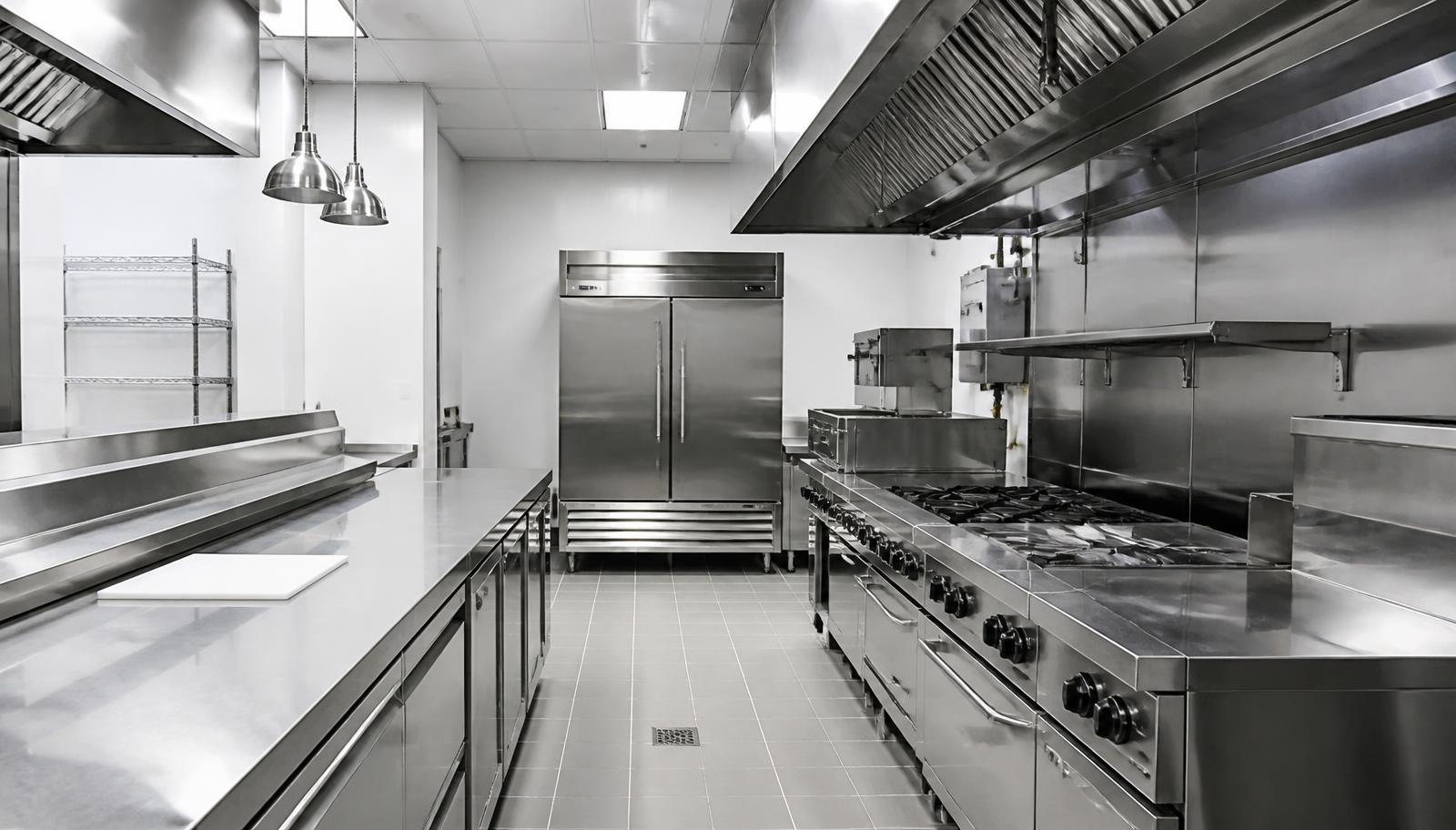
Restaurant acquisitions
Restaurants for Sale in Miami
Looking for restaurants for sale in Miami? Contact Supreme Capital Business Brokers Miami directly to discuss current restaurant listings and acquisition opportunities. Tell us the type of restaurant, the location and the investment range you are targeting and we can discuss relevant opportunities. Some opportunities are represented exclusively and others are not, and that is confirmed for each individual business rather than stated as a blanket claim.
- 01
Your acquisition criteria
- 02
Direct broker conversation
- 03
Relevant restaurant opportunities
- 04
Confidentiality and qualification
- 05
Evaluation
Restaurant opportunities are generally handled as private transactions rather than published as a public marketplace, because an owner is usually selling while the restaurant continues to operate. Detailed information about a confidential business sale may require a confidentiality agreement, buyer qualification and seller authorization before it is released.
Buying a Restaurant in Miami
Buying a restaurant means buying an operation that has to keep running from the first day of ownership. The evaluation therefore covers both what the business has produced and what it will require. Most of a buyer's attention lands on the same set of questions.
Financial performance
Revenue history, margins, normalized earnings and how well the numbers can be verified against records.
Lease and rent
Remaining term, options, occupancy cost against revenue and the landlord's approval requirements.
Equipment and FF and E
What is included, its condition, what is financed or leased and what may need replacing.
Licenses and permits
What the business holds, what applies to its operations and what is involved in transfer or reapplication.
Staffing and management
Who runs the shifts, who is expected to remain and how much sits with the current owner.
Concept and operations
Whether the concept transfers, and how procedures, recipes and vendor relationships carry over.
Working capital
The cash the operation needs to run after closing, separate from the purchase price.
Capital expenditures
Deferred maintenance and anticipated investment in equipment or the build out.
Financing sits across all of it, because what a lender will support affects both the price a buyer can pay and the structure that gets to closing. Buyers new to acquisitions may find the general framework in our guide to buying a business a useful starting point before applying it to a specific restaurant.
Restaurant Real Estate Broker vs. Restaurant Business Broker
These are related but distinct roles, and the difference matters because it determines what is actually being bought and sold.
A restaurant business broker represents the sale of the operating business. A restaurant real estate broker is generally focused on the property, whether that means leasing restaurant space or selling the underlying real estate. A single transaction can involve both, and in Miami it often does, but they are not interchangeable.
Operating Business
+
FF and E / Equipment
+
Leasehold Interest
+ in some cases
Real Estate
Selling the operating restaurant is not necessarily the same transaction as selling the building it occupies. In most Miami restaurant sales the business is at a leased location, so what transfers is the business, the equipment and the rights held under the lease, subject to landlord approval. Where the real estate is included, the property carries its own valuation approach, its own financing considerations and its own closing requirements, and it is generally analyzed alongside the business rather than folded into it.
Supreme Capital Business Brokers Miami works on the business transaction. Where the real estate forms part of a restaurant transaction, it is addressed within that context, with the appropriate property and legal professionals involved as the transaction requires.
What Happens to the Restaurant Lease When the Business Is Sold?
In most restaurant sales at a leased location, the lease is assigned to the buyer or a new agreement is negotiated with the landlord. Landlord approval is generally required, which means the landlord becomes a party to the timeline whether or not anyone intended that.
Where applicable, the provisions that shape a restaurant transaction include the following.
- Assignment provisions and whether the lease can be transferred at all
- Remaining term and how much security a buyer has in the location
- Renewal options and the conditions attached to exercising them
- Landlord approval standards and the information a buyer must provide
- Buyer qualification from the landlord's perspective, including financial standing and experience
- Base rent, additional rent and pass through charges
- Scheduled escalations over the remaining term
- Personal or corporate guarantees requested of a new tenant
- Use restrictions that limit changes to the concept
- Transfer or change of control provisions and any fees attached
These vary from lease to lease, and the actual document governs. Nothing here is legal advice, and lease terms should be reviewed with an attorney before a transaction is committed to.
Licenses and permits
Licensing depends on the business. Not every restaurant holds the same licenses, and requirements differ with the operation, the location and what the business actually does. Depending on the restaurant and the structure of the transaction, buyers and sellers may need to evaluate the operating licenses the business holds, the permits applicable to its premises and activities, alcohol related licensing where it applies, whether any of those can be transferred or must be applied for afresh, and what regulatory approvals are required before or after closing. These questions carry legal and regulatory consequences and should be confirmed with the relevant authorities and with an attorney rather than assumed.
What Should You Look for When Buying a Restaurant?
A restaurant can present well and still be difficult to own. The checks below are the ones that consistently reveal whether the presented business and the actual business are the same thing.
- Financial records: tax returns, profit and loss statements and supporting documentation
- Normalized earnings: how add backs have been calculated and whether each is supportable
- Revenue: composition across day parts and channels, and how consistently it has held
- Cost structure: food and beverage costs, labor and occupancy read against revenue
- Lease: term, rent, options, assignment provisions and landlord requirements
- Equipment and FF and E: age, condition, maintenance history and what is financed or leased
- Licensing: what applies to the business and what transfer involves
- Staffing: who runs the operation and who is expected to stay
- Owner dependence: what changes on the day the current owner leaves
- Vendors and suppliers: arrangements in place and whether they continue
- Capital expenditures: what is likely to be required after closing
- Working capital: what the operation needs to run beyond the purchase price
Due Diligence When Buying a Restaurant
Due diligence is where the presented business is compared with the verified one. In a restaurant purchase it usually runs across five areas.
Financial
Tax returns, profit and loss statements, revenue records, normalized earnings and supporting documentation for add backs.
Lease
Remaining term, rent and additional charges, renewal options, assignment provisions and the landlord's requirements of a buyer.
Operations
Staffing and scheduling, management structure, vendor arrangements, food and beverage costs where relevant and operating procedures.
Assets
Kitchen equipment, refrigeration, furniture and fixtures, overall FF and E, condition and whether items are owned, financed or leased.
Licensing
Applicable licenses and permits, alcohol related licensing where it applies, transfer requirements and regulatory approvals.
This is not an exhaustive checklist, and the scope of a diligence review is normally set with the buyer's accountant, attorney and any lender involved. The general framework, including how findings can affect price and terms, is covered in our article on due diligence when buying a business.
Financing a Restaurant Acquisition
Most acquisitions are funded from a combination of sources rather than a single one. The purchase price and the cash a buyer needs at closing are related figures, but they are not the same figure.
Buyer Equity
+
Bank or SBA Backed Financing Where Appropriate
+
Seller Financing
=
Purchase Capital
What is available for a given restaurant depends on the cash flow of the business and whether it comfortably covers debt service, the buyer's qualifications and operating experience, the structure of the transaction, available collateral, the strength and remaining term of the lease and the requirements of the individual lender. Lender criteria are not universal and should be confirmed directly rather than assumed.
Seller financing can help structure a transaction where both parties agree on the opportunity but paying the full price at closing is difficult. Where it is used, the seller receives part of the purchase price over time under documented terms, and any note may be subject to conditions imposed by a third party lender. Buyers should also plan for working capital separately, since a restaurant needs cash to operate from the first week of ownership. The full picture is set out in our article on financing a business purchase.
What Can Make a Restaurant Harder to Sell?
Most of the friction in a restaurant sale comes from a small number of recurring issues. None of them make a sale impossible, and most are easier to address before a process starts than during one.
- Financial records that are incomplete, unreconciled or difficult to verify
- An asking price that the earnings do not support
- Lease terms that are unfavorable or restrictive for a new tenant
- A short remaining lease term with limited or no renewal options
- Landlord approval issues on assignment or change of control
- Deferred maintenance on kitchen and service equipment
- Significant capital investment likely to be required after closing
- High dependence on the current owner for daily operations
- Performance that has moved inconsistently without a clear explanation
- Licensing questions that have not been clarified in advance
- Structure, collateral or documentation that makes buyer financing difficult
Where several of these appear together, the practical response is usually preparation rather than a price reduction. Addressing records, equipment and lease questions in advance tends to shorten the questions that follow.
Selling or Buying a Restaurant in Miami-Dade County
Restaurant transactions in Miami-Dade County are evaluated site by site. Two restaurants a short distance apart can differ in occupancy cost, lease structure, landlord requirements, licensing position and the buyer profile they attract, and those differences show up in both the analysis and the transaction structure.
For a seller, the practical questions are usually what the lease permits, how much term remains, how the earnings can be documented and which buyers the landlord is likely to approve. For a buyer, they are whether the site works operationally, whether the occupancy cost is sustainable against realistic revenue, what licensing applies to the intended operation and how the purchase can be financed. Where the property is included, the real estate brings its own analysis alongside the business.
These are specific questions about a specific restaurant rather than general market observations, which is why they are best worked through against the actual lease and the actual numbers.
Common questions
Restaurant Broker FAQs
Owners
Considering Selling a Restaurant?
Speak with Supreme Capital Business Brokers Miami about valuation, preparation, confidentiality and reaching qualified restaurant buyers.
Sell Your RestaurantBuyers
Looking for a Restaurant to Buy?
Contact us directly to discuss current restaurant listings and acquisition opportunities in Miami and South Florida.
Request Restaurant ListingsOwners and buyers weighing a restaurant transaction are welcome to speak confidentially with the team at Supreme Capital Business Brokers Miami about how these considerations apply to a specific business. Call (305) 363-1109 or use the contact page.
Continue reading