01 / Seller decision
Selling a Business in Redland
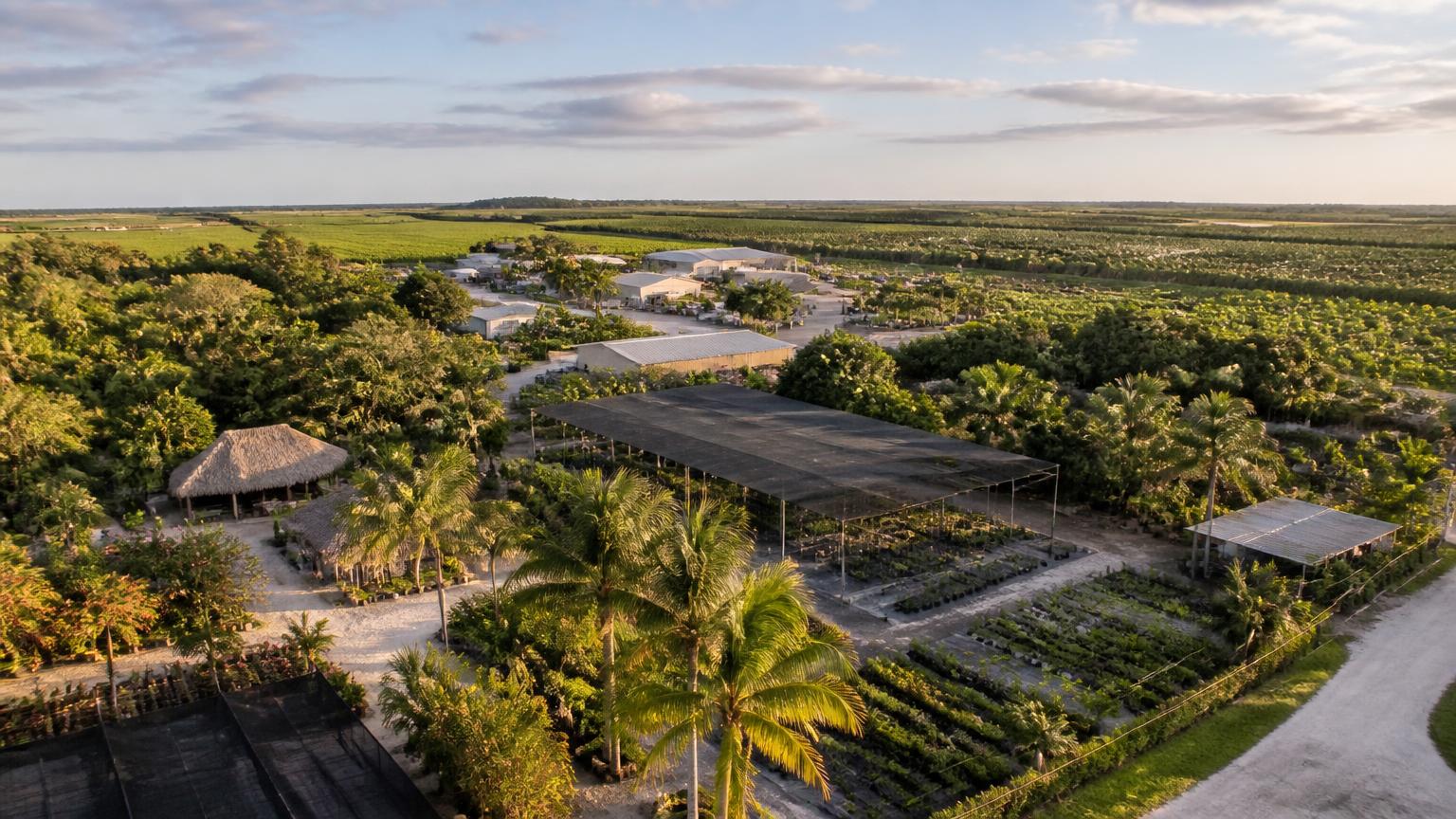
Preparing an agricultural or rural business for market involves more documentation than a typical storefront sale. The business sale process works better when land arrangements, equipment lists, and supplier agreements are organized before any buyer conversation begins.
Seasonality is central to how these businesses are understood. Revenue and cash needs can vary sharply across the year, so a buyer will want to see enough history to judge a normal cycle rather than a single strong or weak season. Inventory that is alive and growing, such as nursery stock, requires its own accounting approach.
Land use status deserves early attention, since agricultural zoning, water access, and any permits tied to the property affect what can continue after a sale. Our guide to preparing to sell a business covers the general groundwork, though a Redland sale often needs additional review of land and regulatory matters with qualified advisors.
Customer concentration also matters. A grower or producer selling to a small number of wholesale buyers carries different risk than one with a diversified base across retail, wholesale, and direct sales.